
Are Luxury Cars Assets Worth Buying?
By Big Limos MFG Editorial Team · Updated 2026-08-06
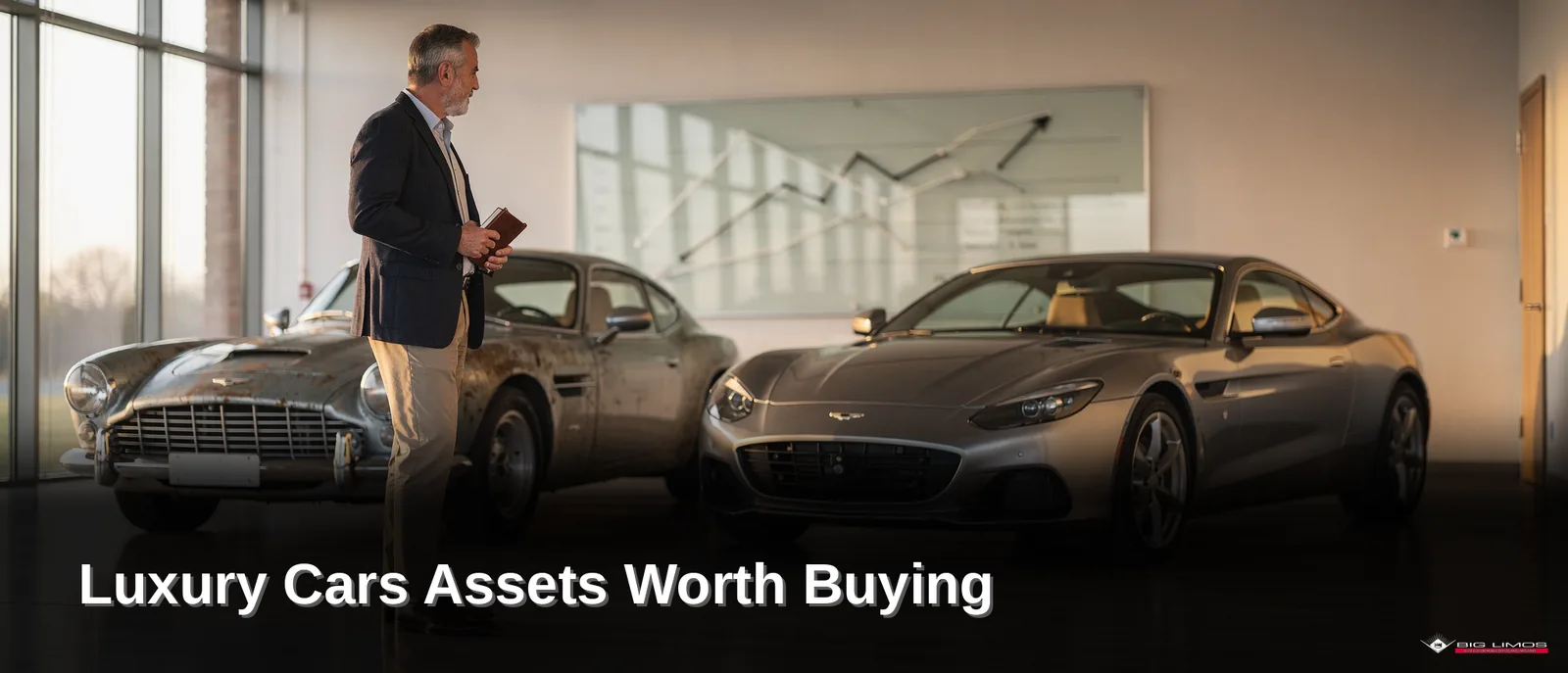
Luxury cars typically depreciate rapidly, but select rare models can appreciate and serve as investment assets. Big Limos MFG in Costa Mesa, California, instead builds 100% custom limousines and specialty vehicles—armored, funeral, exotic—valued for craftsmanship and personal use, not resale profit or appreciation over time.
Pre-owned exotic vehicles, not new luxury cars, drive real returns: the Knight Frank Luxury Investment Index has outperformed the FTSE 100 every year but one over the last decade. New luxury cars typically depreciate. Buyers wanting customization, like Big Limos MFG’s 100% custom builds, should purchase for enjoyment, not investment gains.
Rare, heritage-driven luxury vehicles, such as bespoke Rolls-Royce Cullinan or Bentley Bentayga conversions, hold value better than mainstream models. The Knight Frank Luxury Investment Index has outperformed the FTSE 100 in nearly every year over the past decade, making select luxury automobiles a genuine wealth-diversification asset for collectors.
Key Takeaways
- Exotic cars from established brands with rarity and heritage appreciate significantly over time.
- Pre-owned luxury vehicles retain value better than new cars by avoiding initial depreciation.
- Alternative investments like luxury cars diversified portfolios over the last 10 years successfully.
- Expert guidance from specialists ensures informed luxury car investment decisions and optimal returns.
Do Luxury Cars Really Appreciate In Value?
Most luxury vehicles behave like ordinary automobiles once the odometer starts turning: values decline, not climb. For serious collectors treating luxury cars assets as a wealth strategy, financial return rarely comes from the engine bay alone. Craftsmanship, rarity, and market timing matter far more than horsepower.
Do luxury cars ever beat the stock market?
Certain alternative assets have outpaced traditional benchmarks over the past decade. The Knight Frank Luxury Investment Index has topped the FTSE 100 in nearly every one of the last ten years, missing only once. That performance places select luxury holdings, including rare collector cars, alongside fine art and wine as legitimate diversification tools within automotive wealth management portfolios.
Why do some luxury cars lose value fast?
Engineering excellence offers no guarantee of financial upside. The Volkswagen Phaeton W12 arrived as a genuine flagship, hand-built with a formidable engine lineup. Yet limited production numbers and an overlooked premium position left it selling today for less than a new Passat.
The lesson for high-value vehicle ownership is clear:
Vehicle selection, not badge prestige, separates a depreciating asset from a genuine investment.
Which Luxury Vehicles Hold Their Value Best?
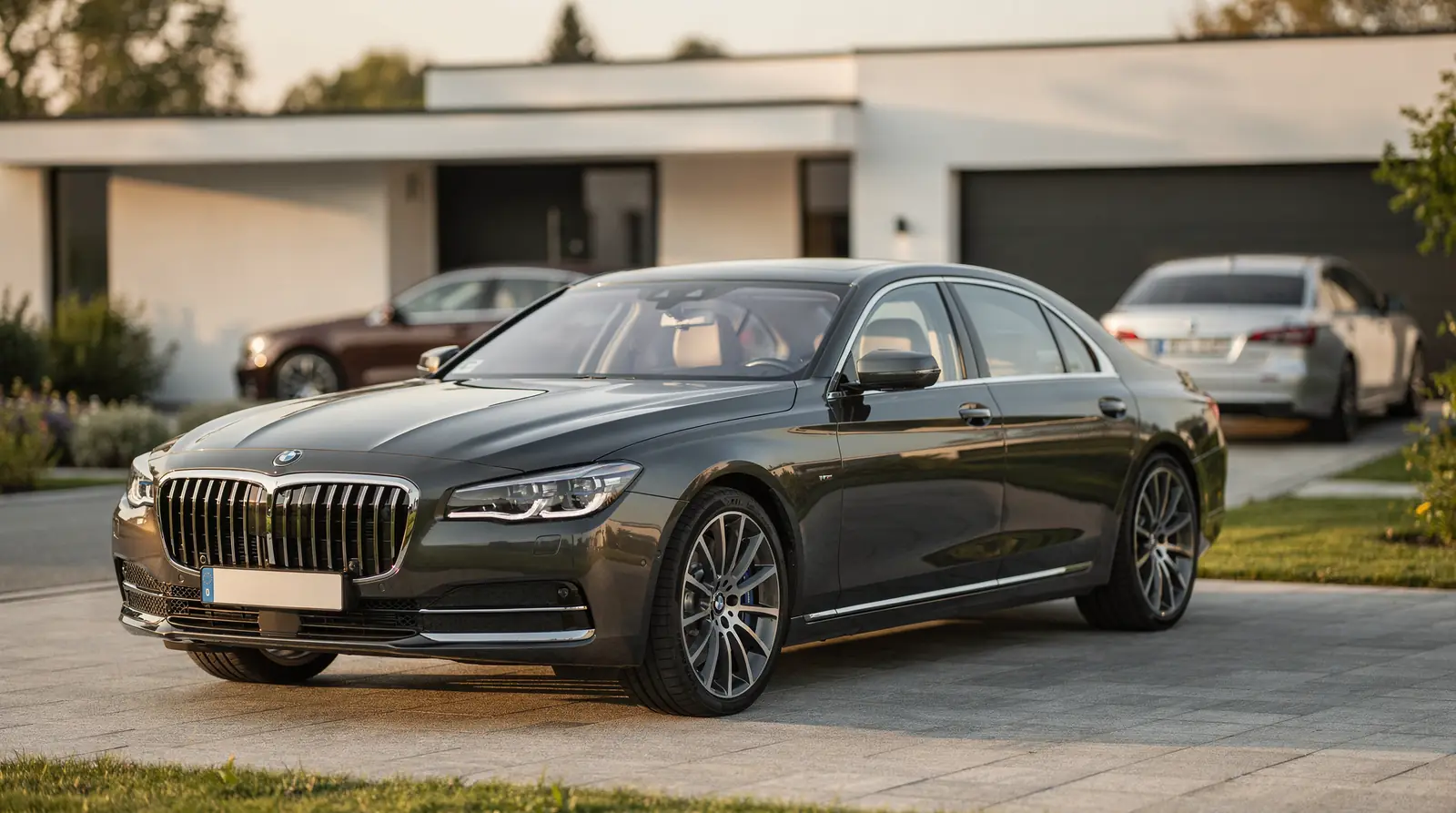
Established exotic marques with genuine rarity and heritage hold value best among luxury cars assets. Scarcity drives demand; heritage anchors long-term collector interest. Mainstream luxury sedans rarely command the same staying power, no matter how well-appointed their cabins may be.
Does buying pre-owned protect against depreciation?
Pre-owned acquisition often serves high-value vehicle ownership better than a new purchase. The steepest depreciation curve happens in a vehicle’s earliest years. A pre-owned exotic or luxury conversion has typically already absorbed that initial loss. Buyers who enter after this drop position themselves closer to the vehicle’s stabilized value.
Specialty conversions follow their own logic. A Hummer H2 limousine, for example, trades within a documented range that shifts with condition and mileage. Pricing varies by build, and interested buyers should contact the manufacturer directly for specifics. That spread illustrates a broader truth: automotive wealth management rewards buyers who study real market data rather than sticker appeal.
Which specialty categories carry the most scarcity value?
Armored, funeral, and exotic builds occupy a narrower niche than standard luxury sedans or SUVs. Fewer units exist, fewer buyers compete for them, and that imbalance can support stronger long-term interest. Collectors weighing these categories should prioritize:
- Heritage and brand pedigree over trend-driven models
- Pre-owned entry points to sidestep early depreciation
- Documented condition and mileage for specialty conversions
- Scarcity-driven categories like armored or exotic builds

How Does Bespoke Ownership Protect Your Investment?
A 100% custom build process separates a Big Limos MFG vehicle from any mass-produced luxury model, and that separation preserves long-term desirability. Generic models depreciate as production numbers climb; a one-of-a-kind commission holds a different kind of value, one rooted in scarcity. This is the foundation of treating luxury cars assets as more than transportation.
Every build begins with a 3D Limo Configurator, letting prospective owners visualize proportions, finishes, and cabin layouts before a single dollar goes toward fabrication. Refining specifications on-screen first reduces costly revisions later and keeps the eventual asset aligned with the owner’s original vision.
Is buying a custom limousine different from renting one?
Yes. Big Limos MFG manufactures vehicles for ownership, not for lease or livery-style rental. That distinction matters for high-value vehicle ownership: a titled, owner-held asset can be retained, insured, resold, or passed down. A rented experience ends the moment the trip does.
Can bespoke customization extend beyond limousines?
It can. Customization capability at Big Limos MFG reaches boats, airplanes, and other high-value vehicles, giving collectors a broader canvas for automotive wealth management strategies that span multiple asset classes.
Serious buyers can start the process directly:
- Consult on build specifications and investment goals
- Reach the manufacturer at [email protected]
- Review configurator output before committing capital